


CHOOSE
Inventory Management and Stock Control
Determine optimal stocking levels for parts and materials across multi-echelon networks while balancing service levels against carrying costs, managing obsolescence risk, and adapting to demand variability.
Understanding the Problem
The aerospace and defense sectors alone face $50-70 billion in obsolescent inventory costs, with some manufacturers finding 60-80% of parts on hand are not needed for near-term operations. Organizations must coordinate reorder points, transfer quantities, and safety stock levels across distributed networks (suppliers, warehouses, production facilities, service centers) while meeting service level targets. Each echelon's decisions ripple through the system, creating complex dependencies that simple min-max or safety stock rules cannot capture.

THE CHALLENGE
What Makes it Hard

Determining optimal inventory policies (reorder points, order quantities, safety stock levels) across multi-echelon networks to minimize total costs while meeting service level requirements under demand uncertainty.
WHO FACES IT
Aerospace and defense production cycles extend years in advance with supplier lead times of 2-3 months, creating high demand variability and lead time uncertainty
Multi-echelon coordination requires aligning reorder points and safety stock across distributed locations where each echelon's decisions ripple through the system
Excess inventory ties up capital and warehouse space while risking obsolescence in industries with rapid technology changes and strict regulations
BUSINESS IMPACT
Address $1.2T in global stockout losses: multi-echelon optimization reduces inventory 10-33% while achieving 98%+ service levels.
The right stock, in the right place, at the right time.
Obsolescence Costs
$50-70B
Aerospace/Defense[1]
Military aircraft obsolescence requires $50-70 billion in nonrecurring engineering costs, driving the need for optimization-based lifecycle management and strategic sourcing solutions.
Stockout Losses
$1.2T
Global Annual[2]
Stock-outs cost retailers $1.2 trillion globally every year in direct lost sales, with 43% of consumers going to competitors.
MEIO Reduction
10-33%
Inventory Reduction[3]
Multi-echelon inventory optimization delivers 10-33% inventory reduction while achieving 98%+ service levels.

How We Solve It
Mixed-integer linear programming formulates inventory optimization with integer decision variables (order quantities, replenishment timing) and continuous variables (inventory levels, safety stock). Multi-echelon inventory optimization (MEIO) models incorporate stochastic demand scenarios, network flows between echelons, and service level constraints. Extensions include (s,S) periodic review policies, multi-product coordination with joint ordering decisions, and Guaranteed Service Model approaches for minimum service time guarantees.
Hybrid Compute
What We Bring

Multi-echelon network flow optimization with inventory balance equations at each node/period
Stochastic formulations handling demand uncertainty and lead time variability
Service level constraint satisfaction with probabilistic stockout targets
Decomposition techniques (Benders, Dantzig-Wolfe) and rolling horizon heuristics for large-scale problems

FUTURE POSSIBILITIES

The
Quantum Horizon
Quantum-inspired algorithms running on classical hardware show the most near-term promise, with improvements already showing in pilot studies.
Exploratory Work
Classical MILP solvers remain the gold standard through at least 2027-2028. Quantum-inspired algorithms offer incremental improvements on complex multi-echelon problems where classical heuristics struggle. Hybrid quantum-classical approaches combining annealing for discrete allocation with classical solvers for continuous variables show near-term promise (2025-2027). As quantum hardware scales (1,000+ qubits), quantum annealing and QAOA may achieve practical advantages on large-scale combinatorial sub-problems (2028-2032). Fault-tolerant quantum computers enabling continuous enterprise-scale re-optimization remain speculative (2033+).
Current Research Directions

QAOA encoding of discrete inventory allocation decisions on small-scale benchmarks matching classical heuristics
Quantum annealing demonstrations on D-Wave systems for warehouse management and item placement problems
Quantum-inspired optimization (simulated annealing variants, tensor networks) handling larger problem sizes effectively on classical hardware
Interested in quantum research?
Explore proof-of-concept implementations with our team.
Where this applies
Logistics
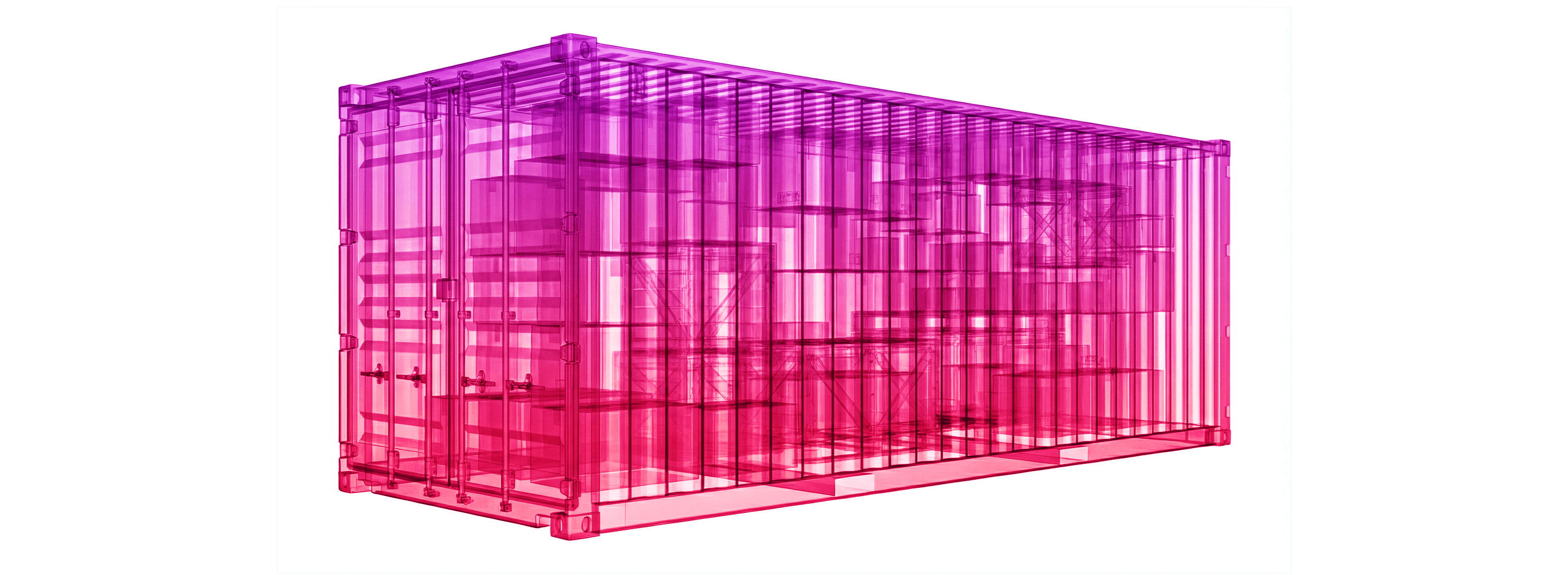
Optimize routing, warehousing, and transportation networks.
8 USE CASES
Defense
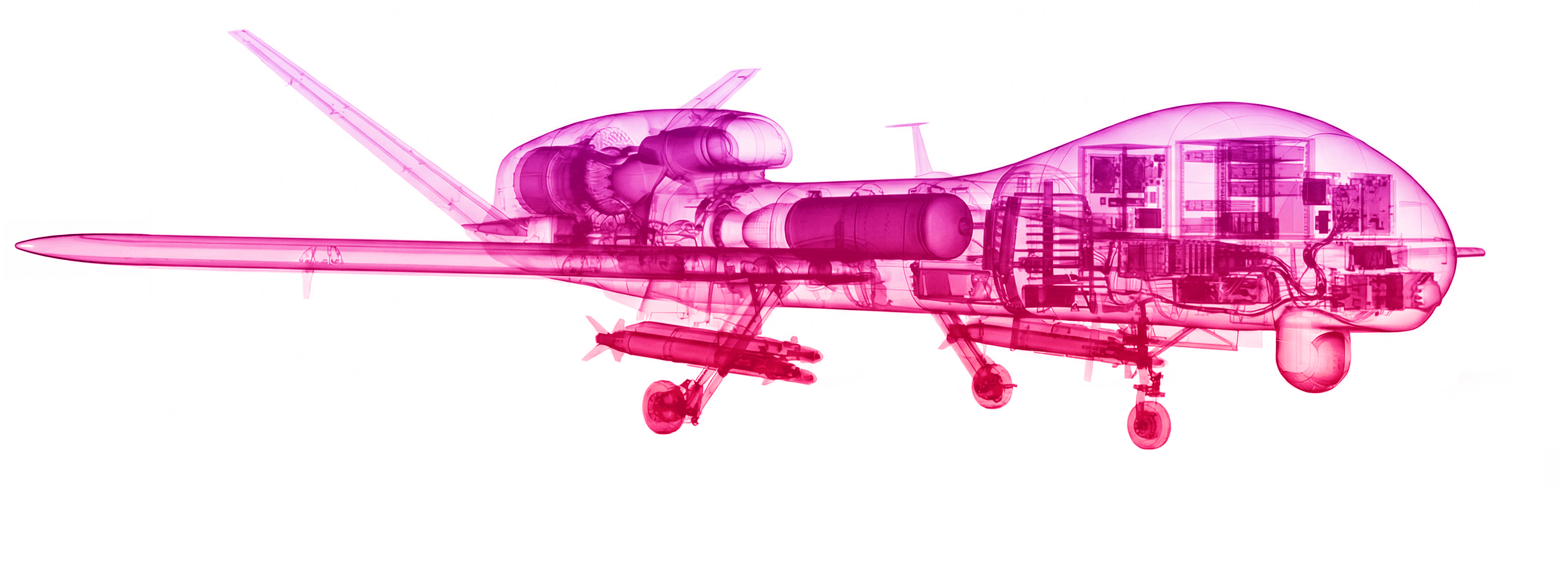
Mission-critical optimization for defense operations.
6 USE CASES
Manufacturing
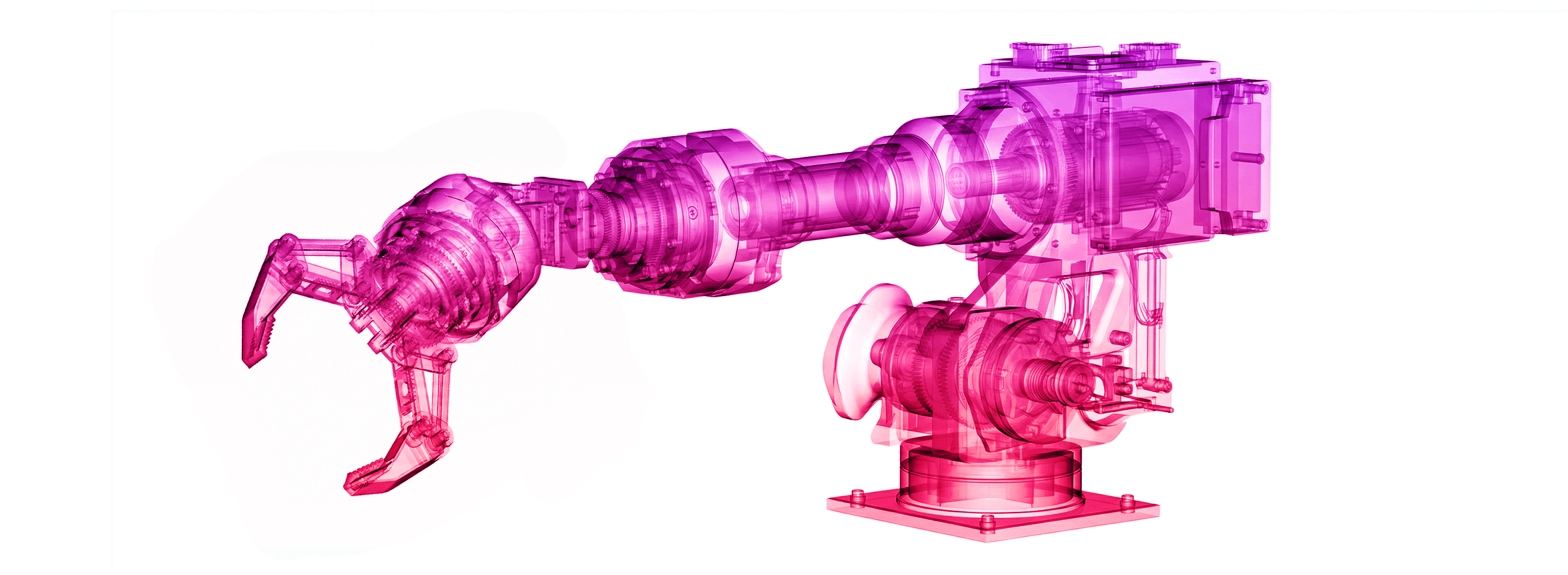
Optimize production, supply chains, and factory operations.
7 USE CASES
Aerospace

Optimize complex aerospace operations from design to delivery.
5 USE CASES

Ready to solve this problem?
Talk to our experts about how Strangeworks can help with inventory management and stock control.
SOURCES